Modern Day Musings on the Prose Poem
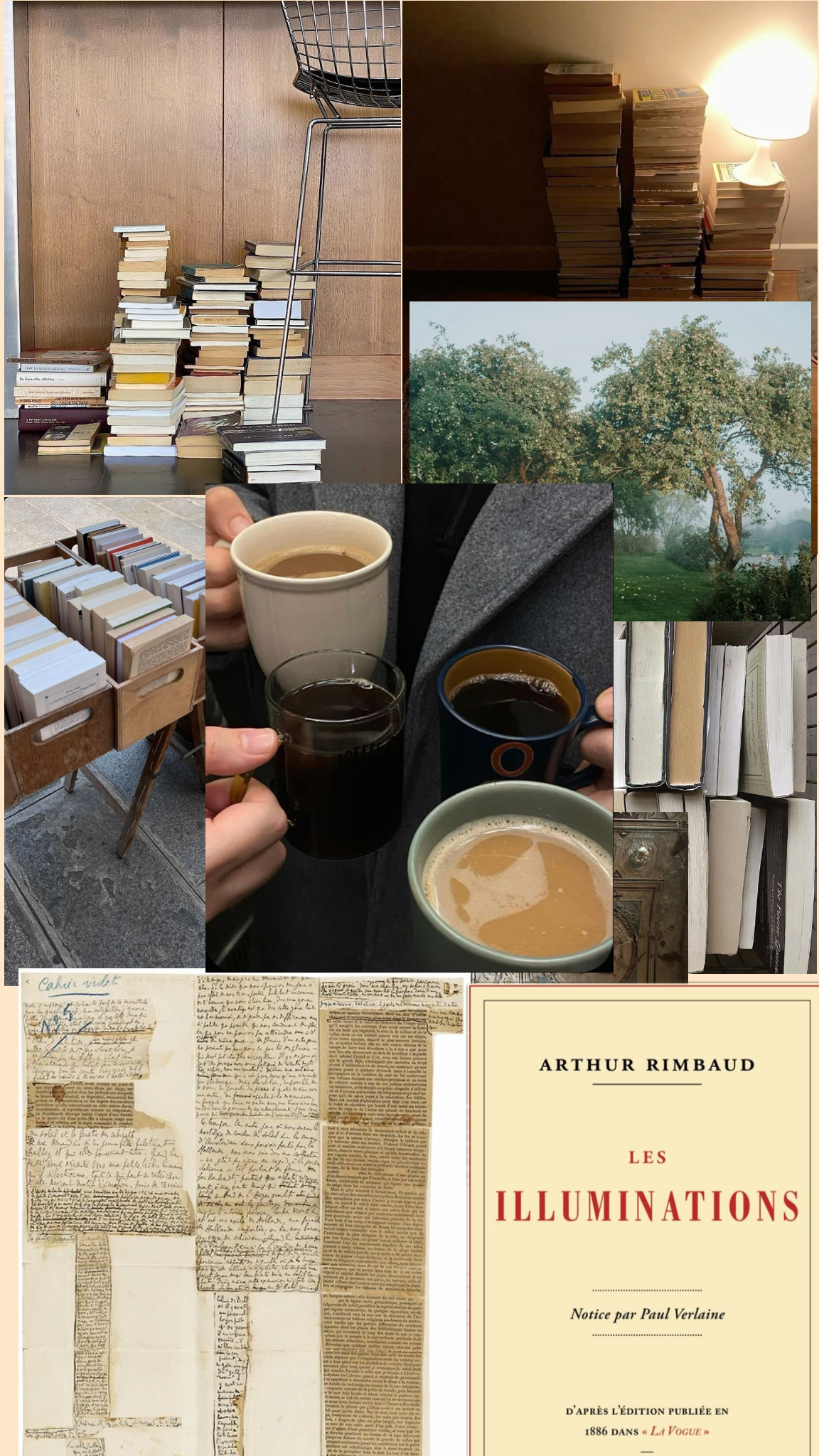
Having first emerged as a radical response to the formal constraints of traditional verse, the recalcitrant prose poem continues to serve as both a subversive and restorative literary form. Allusive and defying definition, prosaic poetry is an oxymoronic operation that breaks boundaries. If verse poetry performs a symphony, prose poetry projects a vignette. From Bertrand and Baudelaire to Rimbaud and Mallarmé, this hybrid form evolved into a dynamic genre that integrates lyrical expression with narrative freedom. In today’s age of digital media—characterized by fragmented attention and rapid consumption—it offers a vital counterbalance, demanding depth, slowness, and intentional reception. By appealing to reflection and presence, the prose poem becomes more than literary pleasure; it stands as a cultural remedy and quiet resistance to the superficiality and static desensitization of our time.
In a cloistral Parisian apartment in 19th century France, Charles Baudelaire sits at his candlelit desk. Outside his window, the city is bathed in the molten gold glow of streetlights. The monastic incense from the nearby church travels to his room. He asks himself what reverie the saints indulge in tonight, and whether the perfumed air will carry him to commune with their sovereign benefice— a chimeric dream of the ether, one he indulges in regularly. He considers taking a walk, on the steps of the Sacré- Cœur or along the sordid canals. He cannot decide whether to study the stars or subjugate his gaze to the street. He savours the sweet, balmy scent of the incense before pouring himself a warm glass of jammy wine. Summer took its time to arrive, and now it refuses to leave. The air is stagnant, save for a suspicious breeze that traverses the room from time to time. It announces itself not on the skin but through a subtle flicker of the flame and rustle of the gossamer curtains, mildewed and moth-eaten. What new scene shall nourish his senses and feed his curiosity, satiating his sentiments? Baudelaire searches through the papers on his desk. Upon finding his copy of Aloysius Bertrand’s Gaspard de la nuit, he consults the many pages. His eyes swims between fragmented bodies of poetry. The enjambed lines detail folk stories and dark fantasies. After some time, he sets the text aside and stares back into the Parisian night. He must write.
The Birth of a Hybrid Form
Prose poetry is widely recognised as having arrived on the literary scene with Baudelaire’s Le Spleen de Paris. Published posthumously in 1869, the seminal collection of prose poems portrays urban observations of life in the French capital. While Baudelaire’s Le Spleen de Paris popularised the medium as a form for evocative and atmospheric writing, he credited his predecessor, Aloysius Bertrand, as his inspiration. Bertrand’s prosaic innovation of the traditional verse poem is embodied in his posthumous work, Gaspard de la nuit. Deploying a vivid and fantastical style of prose that marries together Gothic romanticism and early modern symbolism, the anthology marked the advent of a more fluid and expressive form of poetry. By rebelling against the rigidity of verse and solidifying the porous nature of lyrical poetry, Bertrand and Baudelaire’s works went on to inspire future proponents of the new, distinctive form.
Prose poetics would once again make an appearance in the latter half of the 19th century with poets Stéphane Mallarmé and Arthur Rimbaud. Both writers played with linguistic experimentation and departed from traditional structures. Rimbaud’s Illuminations was published posthumously in 1886. Meanwhile, Mallarmé’s seminal symbolist piece Un coup des jamais n’abolira was released in 1897. Still resonant of traditional poetry, Prose poetics retain lyric impulse but render it in a less structured and significantly more fluid stream-of-consciousness style. Pioneered by the aforementioned 19th century French poets, the prose poem has evolved into one of the most dynamic and boundary-defying literary forms of our time. Its flexibility as literary medium lends itself to a unique and refreshing fusion of lyricism and narrative. Prose poetry, through its synthesis of style and form, constitutes a fertile site for contemporary literary practice. More than ever, in an age defined by digital immediacy and algorithmic mediation, where creative expression often privileges convenience over cognitive labour and critical engagement, prose poetry offers a counterbalance. Within its lines lies a means to bridge our culture of immediacy and instant gratification with the enduring human inclination toward intellectual and imaginative growth. After all, our diet consists not only of the food we eat but also the art and culture we consume.
The Prose Poem in the Age of Algorithms
A prose poem a day—whether written or read before bed—holds a discreetly radical potential against the algorithmic hedonism that leaves us hungrier than when we first started scrolling; the fleeting chemical rewards more transient than the effects of our first morning coffee. To cure our convalescent souls and provide spiritual and intellectual sustainment, poetry offers literal food for thought. Through prose poetry in particular, with its lack of formal constraints and its aphoristic detachment, we may not only rehabilitate our attention span but also reclaim it. In his introduction to the Penguin Book of the Prose Poem, literary theorist Jeremy Noel-Tod observes that it is
‘the prose-poem’s wayward relationship to its own form (…) that makes it the defining poetic invention of modernity. In an age of mass literacy, our daily lives are enmeshed in networks of sentences and paragraphs as extensive as any urban grid. The prose poem drives the reading mind beyond the city limits.”
In that drift past the grid, prose poetry feeds the soul with language palatable to the impatient mind and capable of redeeming our stunted attention spans. It cultivates a necessary slowness amid the dehumanising speed, isolation, and superficiality of the modern media age. As both practice and antidote, prose poetry reorients the reading mind toward depth, awe and connection.
It may not have been what the pioneers of the prose poem envisioned, but the silently disruptive and democratising zeal of an easily accessible art form remains profoundly relevant today. In an era where demand for cultural engagement is high, yet attention spans grow insidiously short, prose poetry speaks to modern reading habits. Mirroring the fragmented, nonlinear flow of digital consciousness while resisting the shallowness of rapid consumption, poetry asks the reader to pause. Rimbaud’s poem Après le Déluge juxtaposes images of calm renewal with undercurrents of upheaval and transformation. It details the violence of the flood, the communal return to normalcy before invoking the storm again. What results is a visionary allegory which meditates on themes of spiritual and aesthetic renewal. The flood’s recession is followed by society’s regeneration and ultimate regression. Society’s return to its old habits of commerce, spectacle and violence sees an unforgiving resurgence of the flood. The poem’s language is disjunctive and hallucinatory but picturesque and richly textured. Through his innovation and experimentative style, Rimbaud challenges and expands poetic boundaries; breaking free from grammatical servitude and conventional syntax, his contributions to the poetic canon reinvigorated the subversive prose poem of his contemporaries.
Resonant and fluid, the prose poem holds a unique power to rehabilitate our consumerist-driven digital consciousness. In an age of overconsumption, prosaic poetry can serve as much as a restoration of contemporary literary expression today as it first did a rebellion. Swapping out scrolling on a screen for swimming between a stream of storied lines, substituting instant-gratification with intellectual stimulation, prose poetry bridges the divide between fleeting digital distraction and sustaining literary immersion. As a literary medium, its consumption mirrors the fragmented, nonlinear flow of digital media. Crucially, however, it resists the shallowness of rapid consumption and demands active reception. Reclaiming depth and slowness in language, the prose poem invites introspection and perhaps even invention of one’s own.